East Coast Digital Programme
Welcome to the next generation railway – Signalling a new era of train travel.
The East Coast Digital Programme (ECDP) is a landmark scheme that will introduce in-cab digital signalling on the southern part of the East Coast Main Line, between London King’s Cross and Grantham.
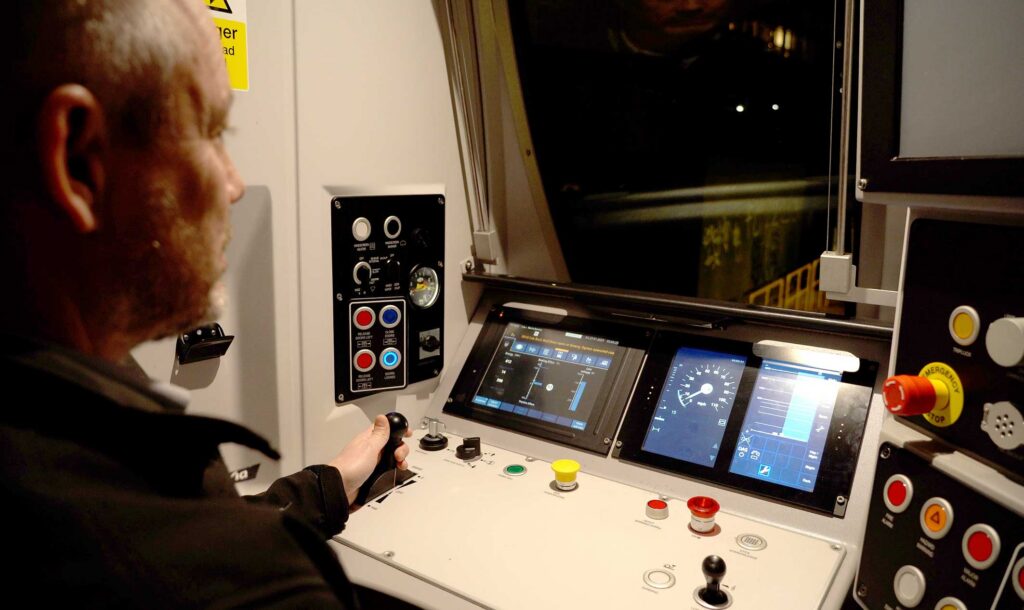
The East Coast Main Line is a vital artery in the UK’s rail network. Over a third of the population live within 20 minutes of an East Coast Main Line station. This railway line has been used for over 150 years, and demand will rise with more passengers and freight. We need to upgrade and improve it to so it can continue to serve us effectively for decades.
What work is taking place?
The East Coast Main Line will be the UK’s first intercity mainline to be upgraded to digital signalling and will lay the foundation for further improvements across the network. A lot of the work is happening behind the scenes. You might not see anything new when you travel, but these upgrades are essential to ensure our rail network is fit for the future, both here and on the wider network
This is because delivering the ECDP will reduce the cost of introducing digital signalling elsewhere on the network. This is expected to happen as signalling systems become due for renewal.
These upgrades will deliver:
More reliability
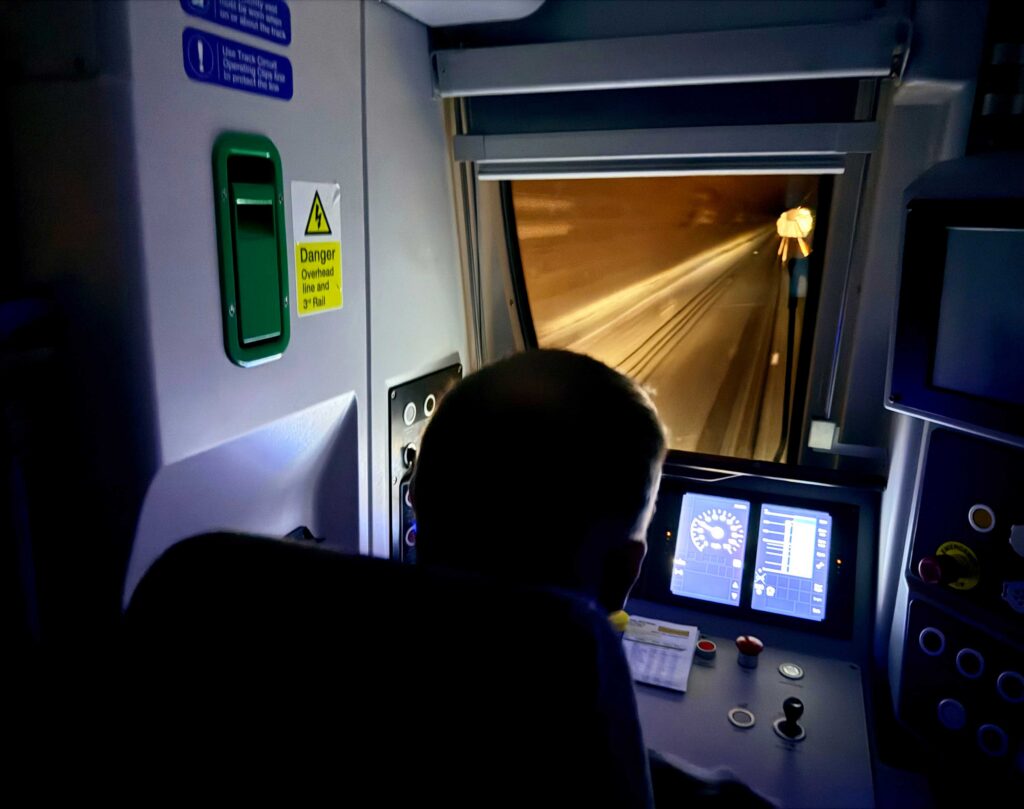
With signalling information being provided directly to the driver, via a screen in their cab, there will no longer be a need to maintain a large amount of lineside equipment involved with traditional ‘traffic light’ signals.
Additionally, trains are sometimes affected by signal failures; moving to a modern, digitally based system makes this less likely, potentially reducing thousands of hours of delays, and making train services more reliable.
More punctual services
Digital signalling gives train drivers continual information about the safe maximum speed for their train. It provides drivers with additional information about the route ahead, that today’s fixed ‘traffic light’ signals do not. This enables more ‘efficient’ operations, helping trains stay on time.
Greener journeys
Digital signalling contributes to a greener railway. The East Coast Main Line is already electrified, and these upgrades will deliver a further 55,000 tonne reduction in carbon emissions over 60 years – the equivalent to over 65,000 one-way flights from London to New York, or over 2 million passenger train journeys from London to Edinburgh. This is because digital signalling requires much less physical equipment to produce and maintain compared to ‘traffic light’ signals The estimated whole life carbon saving over a 60-year period (the expected life span of a ‘traditional’ signalling system) is around 39%.
A more reliable and punctual railway will encourage more people to choose rail over road and air. This will reduce transport emissions for the long-term.
When and where is it being introduced?
We introduced digital signalling first on the Northern City Line (NCL), between Finsbury Park and Moorgate in central London. In 2025 we removed the lineside signals there to create the country first ‘no signals’ commuter railway.
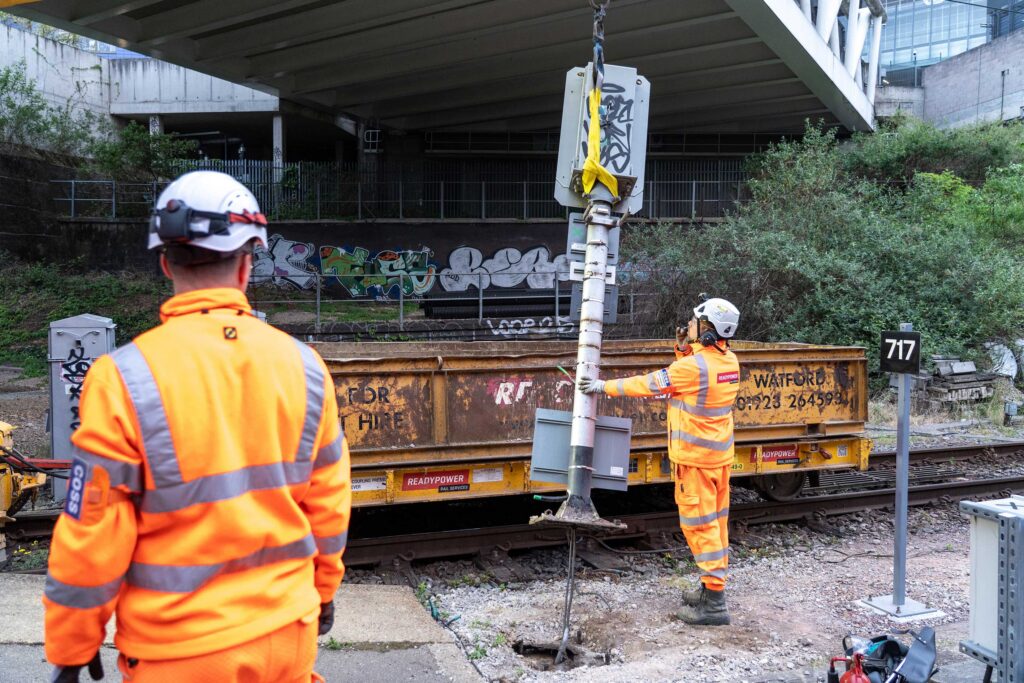
We have now begun to introduce digital signalling on a stretch of the East Coast Main Line between Welwyn and Hitchin. The 15 mile stretch has been commissioned as an ‘overlay’ ‘overlay’, meaning trains can operate through it using either conventional or digital in-cab signalling, allowing drivers to be trained in the technology.
In August 2026 the new system began being used by Great Northern Class 717. More fleets and passenger services will begin using the in-cab system from 2027.
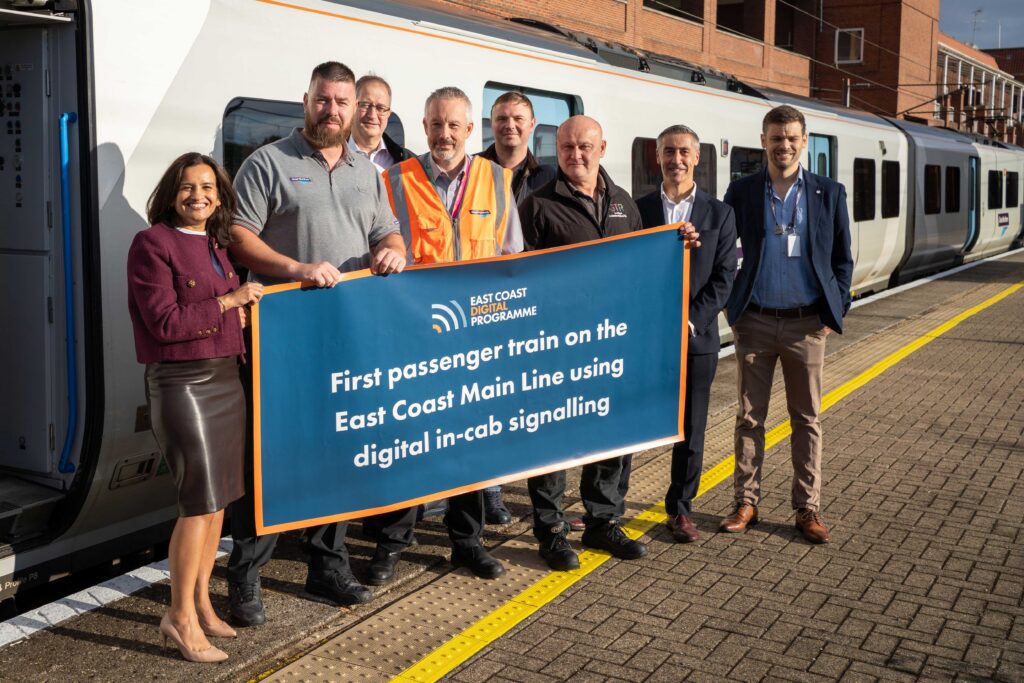
The upgrades will be progressively rolled out on the southern section of the East Coast Main Line (ECML), between London King’s Cross and the Stoke Tunnels, near Grantham. We plan to complete all improvements in the 2030s.
Take a look at the map below to see where it’s happening (please note, this map may not be suitable for users of assistive technology).
How will this work affect me?
To make the upgrades, engineers require safe access to the railway tracks and equipment. We will close the railway on selected days throughout the year as a result. Passengers travelling with Grand Central, Great Northern, Hull Trains, LNER, Lumo and Thameslink, are likely to have impacted journeys on these days. We will communicate dates for planned works well in advance. Alternative travel options, including diversionary routes and rail replacement coach services, will be in place whenever possible.
Check before you travel
For up to date travel information, visit the East Coast Digital Programme page on the National Rail website.
Get in touch
For more information or to get in touch with us, please visit our contact us page or call our 24-hour national helpline on 03457 11 41 41.