West Coast Main Line upgrades
We’re investing £400m from now until March 2029 to strengthen one of Britain’s most critical rail routes – making journeys smoother and more reliable.
Project timeline
This programme of improvements will continue throughout this control period, until March 2029.
What work is taking place?
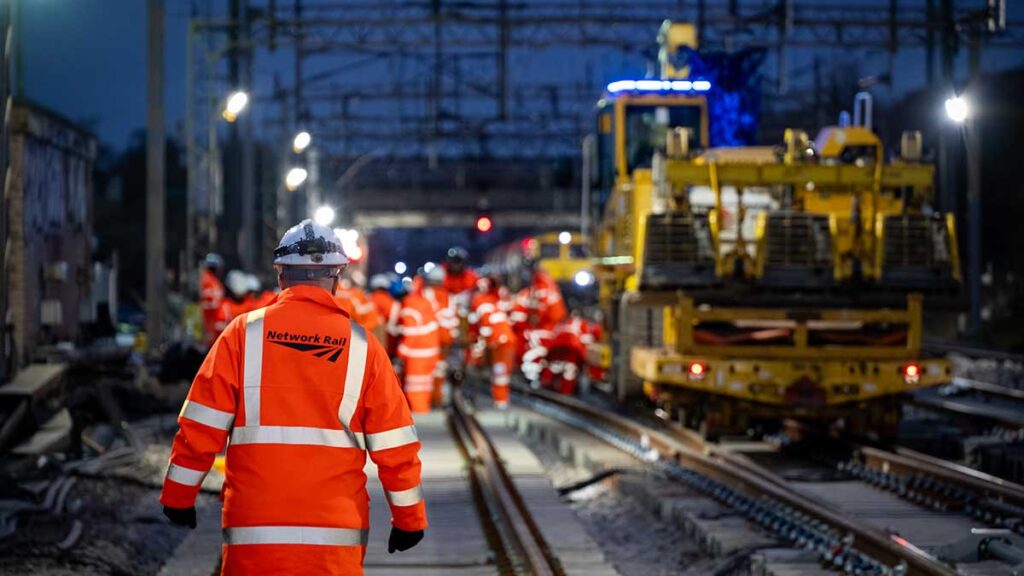
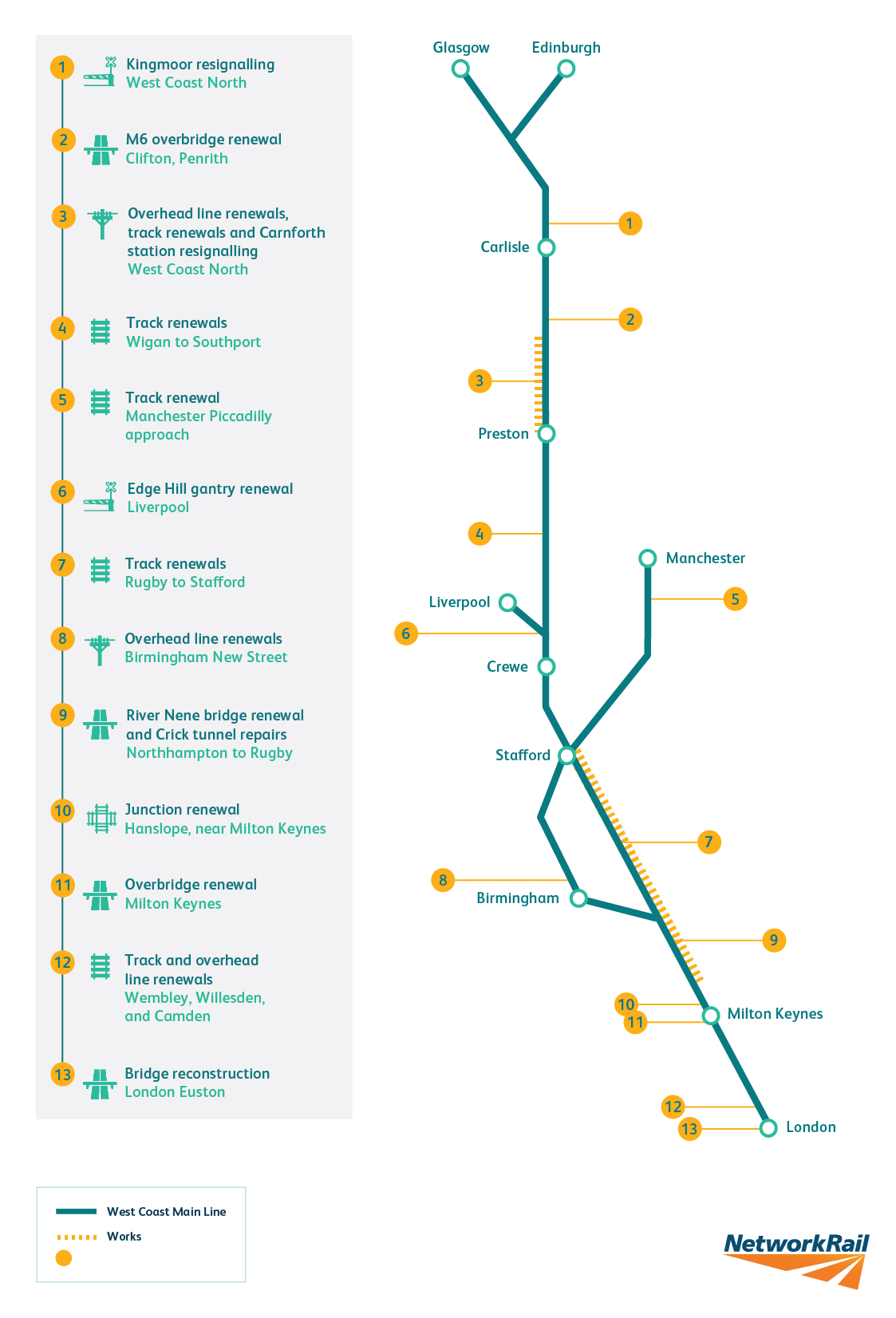
We’re investing in the future of the West Coast Main Line – the route that keeps Britain moving. The programme includes the biggest upgrade to its northern section in half a century, alongside wider improvements along the line. This is not routine maintenance, it’s a once-in-a-generation investment to renew and strengthen the railway so it can handle growing demand and deliver the reliable, resilient journeys passengers deserve.
When is work taking place and how will it affect me?
We’ll be delivering improvements throughout 2026, and beyond. We’ll keep this page updated with specific dates and travel advice.
To deliver this once-in-a-generation upgrade, we’ll need to close sections of the route at certain times. This will mean some changes to journeys, but we’re working closely with rail partners to keep you moving:
- Diverting trains and ensuring ticket acceptance on other routes so you can stay on trains wherever possible
- Providing frequent, spacious rail replacement buses where rail connections aren’t available
- Clear travel advice on National Rail and train operator websites
- Updates on this page and our social media channels @networkrailWCML (X) @networkrailNWC (Instagram)
Upcoming works
Why is the work needed?
The West Coast Main Line (WCML) is Britain’s economic backbone. It connects major cities and moves thousands of trains and tonnes of goods every day. But parts of the line are showing their age and can’t cope with modern demand. That means slower journeys, more delays, and last-minute changes for passengers.
We’re fixing that. By investing now, we’re preventing disruption tomorrow and building confidence in rail travel for years to come.
This isn’t about building grand new stations. It’s about essential upgrades that make journeys smoother and more reliable. The benefits will build over time – this is the start of a long-term programme to improve the WCML and prepare for future growth. We’re working with industry partners on a longer-term strategy and future enhancements to deliver the full vision for growth and connectivity.
We’re delivering a simpler, better, greener railway:
- Fewer delays and more reliable journeys
- Stronger links between cities and communities
- A greener railway that supports jobs and local economies
- Protecting journeys from the impact of extreme weather and climate change
Spring and summer improvements completed to strengthen reliability for passengers
Major engineering work across the West Coast Main Line was successfully completed during spring and early summer 2026, delivering track, overhead line and signalling upgrades to improve the reliability of journeys for passengers and freight customers.
Working closely with industry partners, we did everything possible to keep passengers moving by rail while the work took place. This included diverting services where possible and providing rail replacement transport when needed.
Improvements include:
- Renewal of key track, signalling and overhead line equipment between Euston and Milton Keynes
- Signalling and track upgrades between Preston and Oxenholme
- Overhead line equipment improvements between Warrington, Preston, Lancaster and Fylde
- Track renewals near Willesden South and near Primrose Hill
- Installation of new signalling equipment around Edge Hill, Liverpool
- Drainage improvements near Milton Keynes
- Track renewals near Wigan
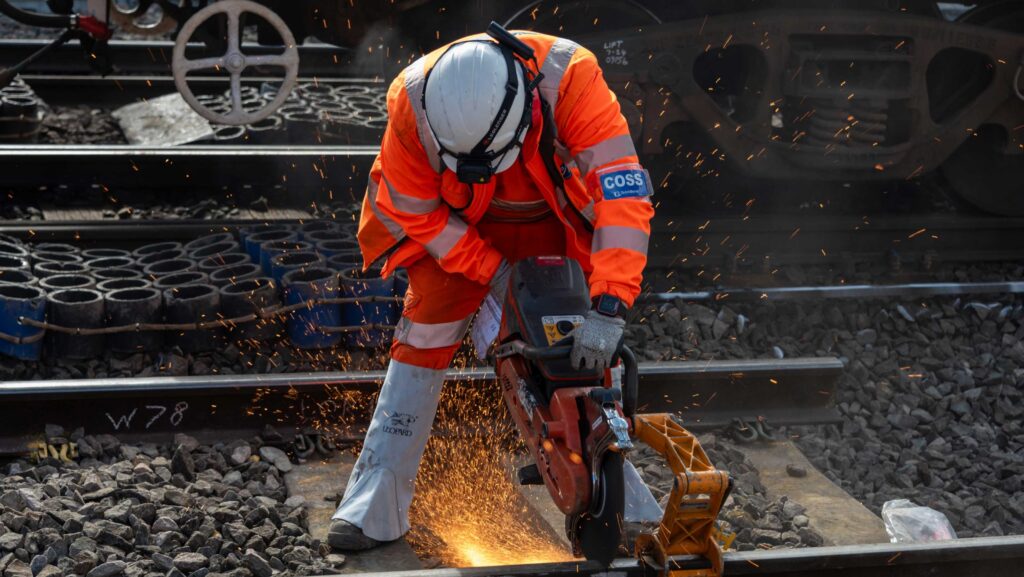
Thank you to passengers and local communities for their patience while this essential work was carried out. These improvements will help deliver a more reliable railway and smoother journeys in the years ahead.
Get in touch
For more information or to get in touch with us, please contact us by visiting our contact us page or calling our 24-hour national helpline on 03457 11 41 41.
WCML in numbers
- £400m investment in upgrades from now until March 2029
- 700 miles of track maintained
- 64 stations
- 2,000 passenger trains run every day
- 15,000 tonnes of goods are moved every day