Hot weather and the railway
We work hard to keep you moving in summer weather.
On the railway, hot summers can be as challenging as freezing winters. Hot weather can affect the rails, overhead power lines and the ground which the track sits on. We work hard to get you to where you need to go, safely and on time by minimising the impact of hot weather on the railway.
We plan ahead to do all we can to prevent incidents that cause disruption. When the weather gets hot, we make sure we’re ready to respond to problems quickly.
How does heat affect overhead power lines?
In hot weather, the overhead lines that provide power to the trains can expand and sag. To avoid damaging the lines, trains must travel more slowly.
If the overhead lines are damaged, we have to cancel or divert train services until they are fixed. This causes delays.
Modern overhead lines, which are used on the majority of Britain’s rail network, are much less affected by hot weather. They have auto-tension systems with balance weights or springs that adjust to different temperatures. But older overhead lines have fixed tension and are more vulnerable.
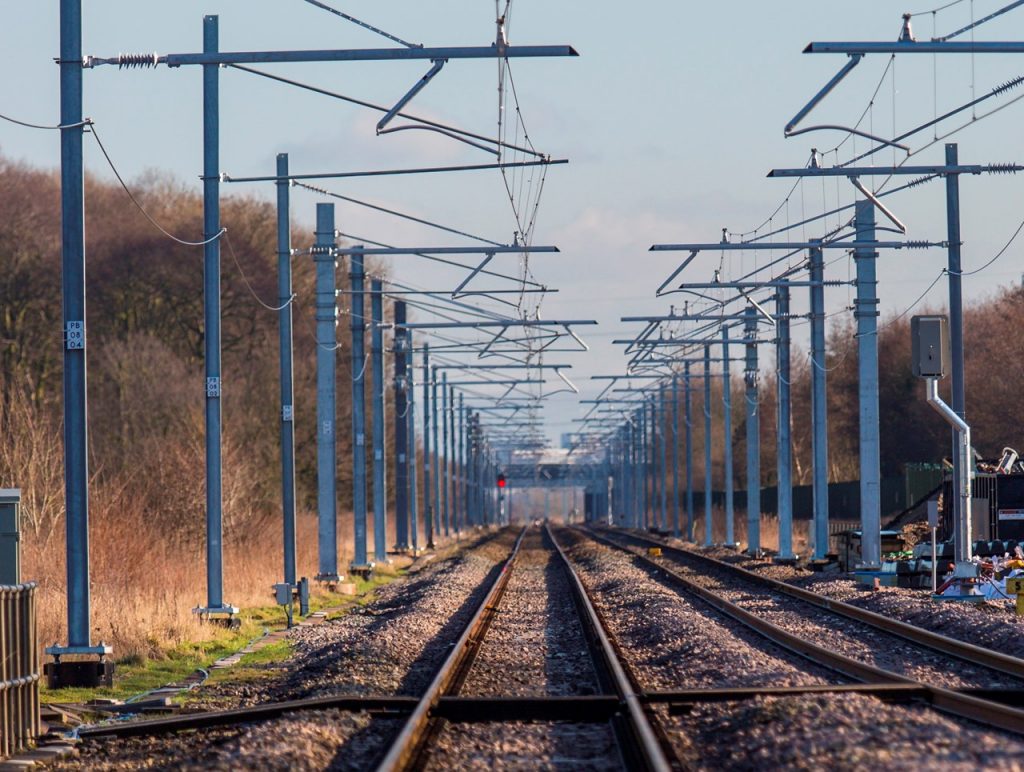
What we do to minimise disruption from overheated power lines
- We adjust the height and tension of our older overhead power lines in summer to help prevent sagging.
- We introduce temporary speed restrictions to minimise the force on the overhead power lines. Speed restrictions reduce the risk of damage and keep services running but they can cause delays. We have to balance the inconvenience of delays against the risk of the greater disruption that would be caused if we need to fully close the line.
- We replace old overhead lines with modern, more resilient auto-tension power lines.
How does heat cause rails to buckle?
Our railway has thousands of miles of steel track. Steel absorbs heat easily and track can get up to 20 degrees hotter than the air temperature.
When steel gets hot it expands. The rails become longer and start pushing against the pieces of track next to them. This can damage the equipment that detects where trains are keeping them a safe distance apart. When this happens, we stop trains to keep everyone safe. If there is no room for the rail to expand, the rail can buckle and we need to close the line to fix it before trains can run again. When we stop trains or close a line, this causes delays.
How do we minimise delays caused by overheated rails?
We work hard to prepare the tracks for the added strain of higher temperatures.
We do this by:
- Thoroughly checking the tracks ahead of summer, looking for any rails that are vulnerable to heat. We fix anything we spot.
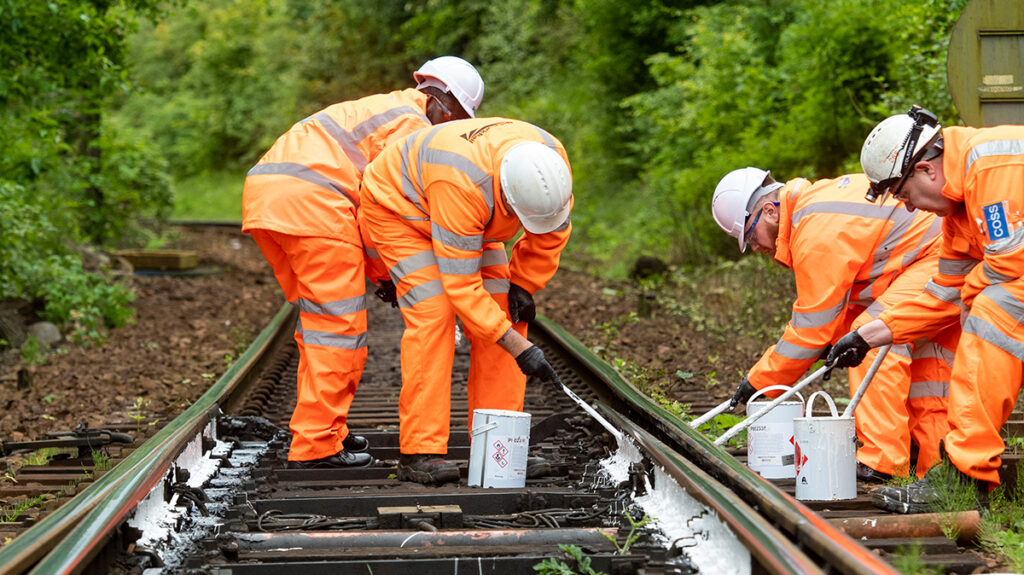
- Painting ‘hot spot’ sections of track white to reduce the heat absorbed (by up to 10 degrees).
- Leaving gaps between shorter sections of track so there is space for them to expand.
- Laying track on reinforced concrete slabs rather than the usual sleepers and stones, on critical sections of the railway. This helps prevent rails buckling as concrete withstands greater forces.
- Having sensors across the railway that let us know when parts of track are getting too hot. This realtime information helps us fix potential faults before they occur.
- Putting speed restrictions in place during the hottest part of the day, when the forecast air temperature is over 36 degrees Celsius.
How can heat affect signalling?
Much of our railway has modern signalling but excessive internal temperatures in signalling cabinets can exceed 70°C. This can lead to system failures, meaning train delays, service disruption and high maintenance costs.
We’re exploring ways to solve this problem. A technology trial has involved a system that helps keep signalling cabinets cool. It can reduce the temperature inside a cabinet by more than 21% on the hottest days, transferring thermal energy thousands of times more efficiently than copper or aluminium alone. It also needs no power or maintenance.
How does drought affect the railway?
Long periods without rain can mean the ground underneath the tracks dries out and shrinks, creating pothole-like cracks. Much like on the roads, trains can’t run at full speed over these defects and slow down to keep you safe.
Minimising delays caused by drought
We do this by:
- Introducing temporary speed restrictions in affected areas to reduce the force on the track.
- Working with train operators to monitor the track closely and identify the need for maintenance caused by drought. Where the soil has significantly cracked, our engineers add more stone to support the tracks and machines realign the rails.
Fires near the railway during very dry weather
Fires around our railway can become more common in very hot weather. And there’s an increased risk after a very dry spell. So why can this affect your rail services? Fire can damage infrastructure like level crossings, signals, the conductor rail and the overhead lines that power electric trains. Fires near the railway can also mean we have to stop train services to keep you and our teams safe.
Our preparations for very dry weather include managing vegetation next to the railway. We also remove materials from beside the tracks that may be a fire risk, such as fly-tipping.
What are we doing to adapt to climate change?
Climate change is bringing more frequent and extreme weather, which can affect how safely and reliably the railway runs. We’re planning ahead, looking at how the railway needs to change so it can keep moving in hotter, more challenging conditions.
Our adaptation pathways strategy guides this work, creating long-term plans that map out how we respond as conditions change. At the same time, we’re making the railway more resilient by upgrading infrastructure and installing equipment designed to withstand higher temperatures, so we can reduce disruption, recover faster and keep passengers moving.
Check your journey
We can’t change the weather, but it can change your plans.
During hot weather always check before you travel. Visit National Rail or your train operating company’s website.