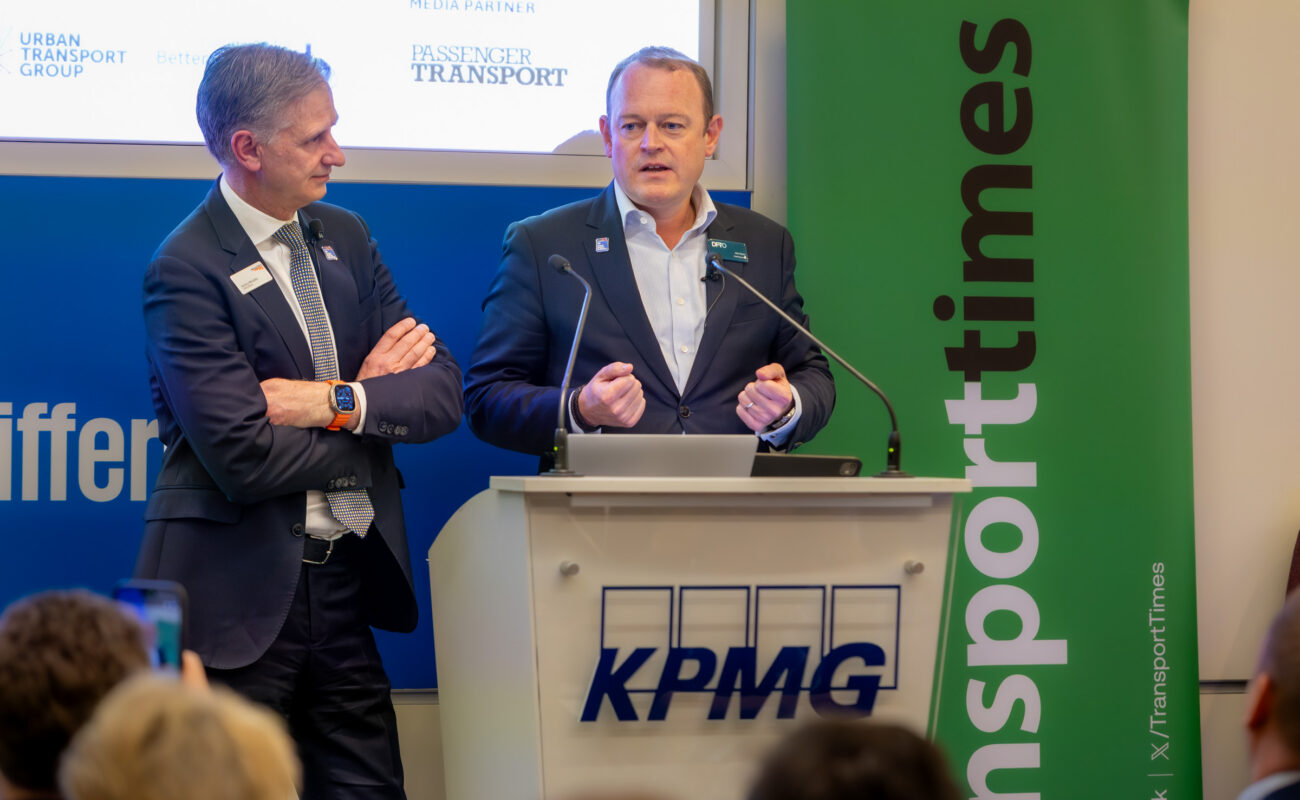
Using their joint appearance at the UK Rail Summit on 17 April, Alex Hynes and Jeremy Westlake demonstrated the positive progress being made now, ahead of the establishment of Great British Railways next year.
Speaking together as the two leaders working together to form the building blocks of the new state-owned public body, Alex, chief executive of DfT Operator, and Jeremy, chief executive of Network Rail, were keen to highlight that operators are already being brought closer together with those that manage the local rail infrastructure across the network.
Alex said: “Great British Railways provides the blueprint for transforming the railways. But passengers, freight customers and taxpayers need to see and feel change now – and we’re already delivering it.”
These words were echoed by Jeremy, who stressed how closer integration is driving performance improvements, reducing subsidy through partnership working, fostering collaboration and leading to better outcomes for passengers and freight customers.
He said: “We are seeing that integrated teams are making a difference now, as with Anglia creating a new freight path to transport materials to [nuclear power station project] Sizewell C in weeks rather than months, while agreeing ambitious new joint performance plans for every area to drive real‑world improvements now.”
Jeremy also emphasised the importance of strengthening partnerships beyond the railway, particularly with regionally elected mayors like Tracy Brabin of West Yorkshire in the room, council leaders and the supply chain.
He said that, in doing so, they were ensuring that the rail network can meet the needs of individual communities, support regional growth and reflect how local people actually travel.
Speaking of the partnerships publicly owned operators are developing with elected mayors and combined authorities, Alex said: “We are seeing a shift towards clearer local accountability and delivery with deeper integration in places like Greater Manchester and the Bee Network. Operators, like Northern Trains, are working closer with Transport for Greater Manchester to drive simplified rail fares, the expansion of tap as you go and delivery a fully joined up public transport system.”
The wider economic and social value of rail was also raised, with both leaders emphasising the importance of major programmes and local projects taking place across the country, particularly in the north.
Jeremy highlighted the Transpennine Route Upgrade, redevelopment around Leeds City station and upcoming works at London Liverpool Street station, through Network Rail’s Platform 4 property arm, as examples of how investment in the network is unlocking economic and social benefits for communities.
While Alex spoke of the Northumberland Line and community rail partnerships, which are demonstrating strong social and economic returns by improving connectivity, supporting local economies and widening access to opportunity.
Alex said: “We are working together to build a better railway for everyone in Britain now. This is about building trust, working together and laying the foundations for Great British Railways – not in theory, but in practice.”
Jeremy said: “Everyone across the industry has a role to play in making Great British Railways a success. Its success depends on a more collaborative, accountable culture across the railway – one that brings together infrastructure, operations, local leaders and industry partners around a shared focus on customers and communities.”
The joint speech followed a ministerial address by the rail minister, Lord Hendy, who set out the case for reform and updated delegates on the progress of the Railways Bill through Parliament.